
Timothy Gaines Challenges Michael Sweet’s Account of Stryper’s To Hell with the Devil Era

By Seth Metoyer | Metal Crawlspace
Nearly forty years after Stryper released To Hell with the Devil, one of the most important albums in Christian metal history, a familiar piece of the band’s story has resurfaced with two very different versions attached to it.
On a recent YouTube post by full in bloom, Stryper frontman Michael Sweet was asked about the band’s history with longtime bassist Timothy Gaines and, specifically, Gaines’ absence from the recording of To Hell with the Devil. Sweet described a studio situation in which Gaines initially came in to record bass, only for the band and producer Stephan Galfas to conclude that his playing style did not fit the more direct approach the album was taking.
According to Sweet, the decision involved the band collectively.
“I kind of get the brunt of that, of what happened,” Sweet said during the interview, explaining that people have sometimes assumed the move came solely from him. “It was a band decision and a producer decision.”
Sweet said that Gaines had played throughout Soldiers Under Command, but when the band began recording To Hell with the Devil, his more melodic and jazz-influenced approach did not fit the sound they were developing. Sweet recalled that Stryper wanted a more straightforward eighth-note rock and metal bass style, which eventually led them to bring in Brad Cobb.
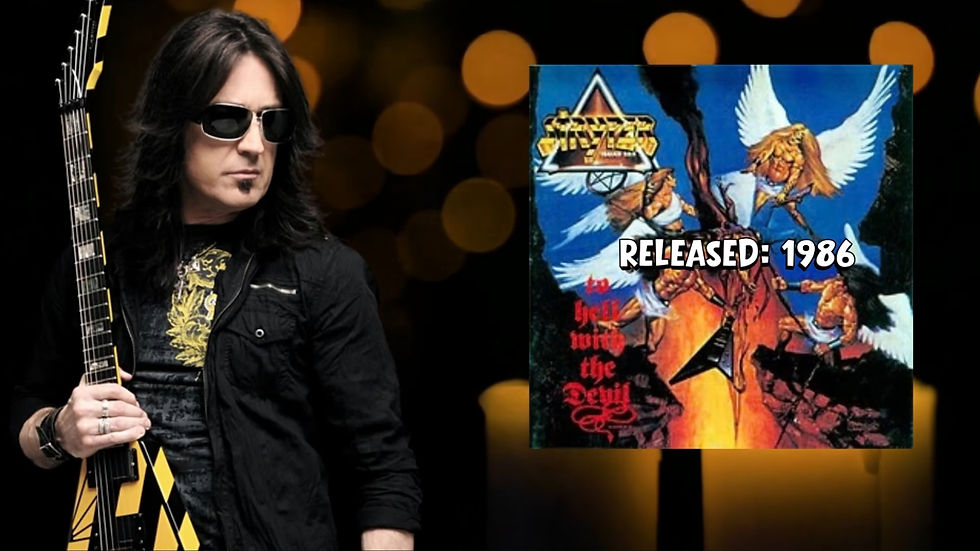
Cobb ultimately played bass on To Hell with the Devil, and Sweet said the same approach continued on the following album, In God We Trust. Sweet also recalled Gaines returning for much of Against the Law, while session bassist Randy Jackson played on Stryper’s cover of Earth, Wind & Fire’s “Shining Star.”
Sweet placed the situation within a larger studio tradition, pointing out that major-label albums have often included session musicians whose performances were never obvious to listeners reading the names printed on the album cover.
“When you’re recording an album and that much money is on the line with a label who’s invested in that, it better be right,” Sweet said. “Sometimes that means bringing in studio musicians to lay it down the right way.”
Gaines says the problem with that story begins before anyone ever hit record.
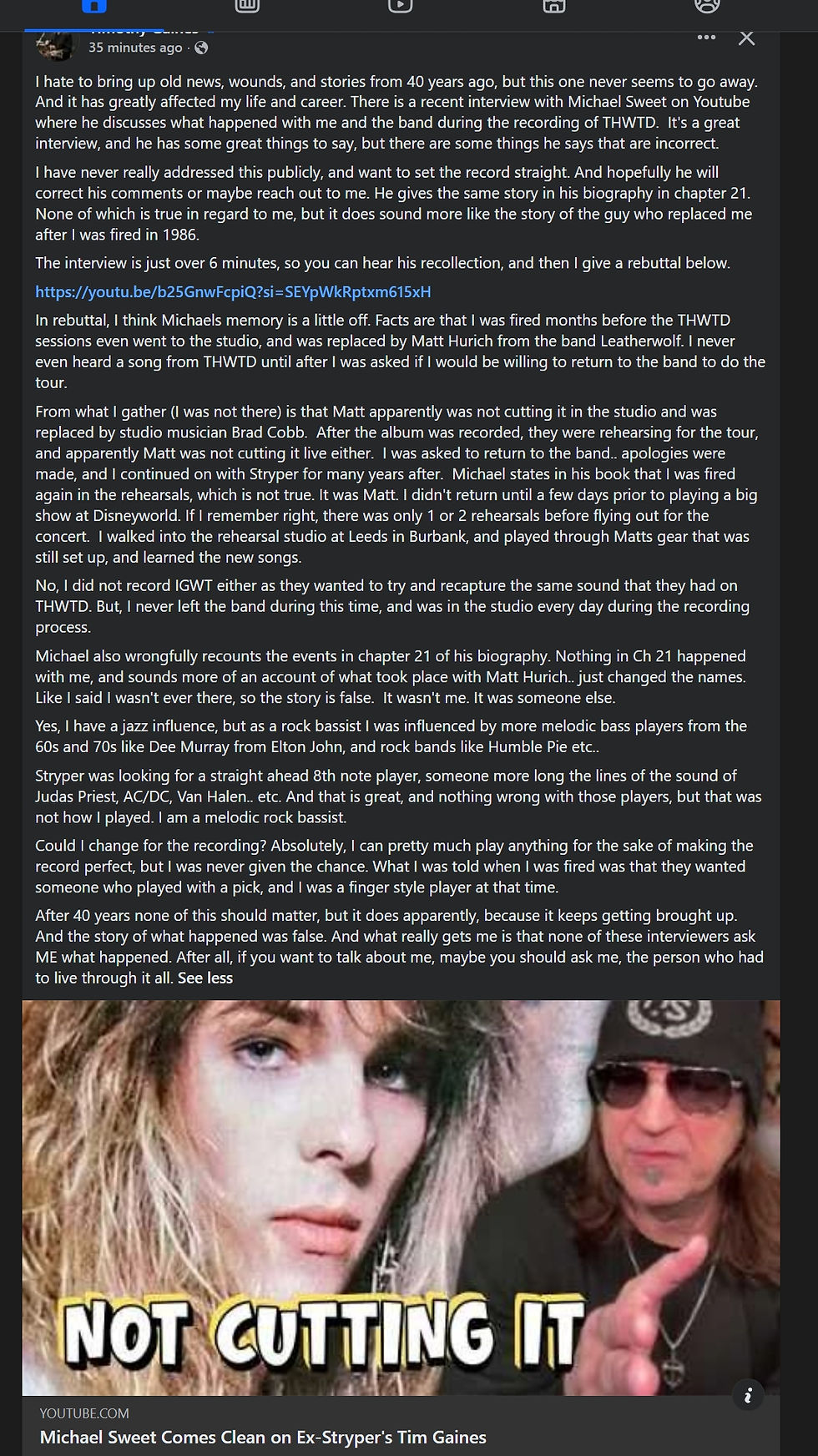
Shortly after the interview appeared online, Gaines responded publicly on Facebook and said Sweet’s recollection of the To Hell with the Devil sessions does not match his own experience.
“I hate to bring up old news, wounds, and stories from 40 years ago, but this one never seems to go away,” Gaines wrote. “And it has greatly affected my life and career.”
Gaines said he had already been fired from Stryper months before the To Hell with the Devil sessions began and had been replaced by Matt Hurich of Leatherwolf. Gaines maintains that he never entered the studio intending to record bass for the album and says he had not even heard the material until the band later contacted him about returning for the tour.
Sweet remembers Gaines entering the recording process before Stryper decided his style no longer fit the album. Gaines remembers being gone before the recording process even began.
Gaines believes Sweet may be remembering events involving Hurich instead.
“Facts are that I was fired months before the THWTD sessions even went to the studio, and was replaced by Matt Hurich from the band Leatherwolf,” Gaines wrote. “I never even heard a song from THWTD until after I was asked if I would be willing to return to the band to do the tour.”
According to Gaines, Hurich entered the picture after his departure and apparently struggled during the studio process, leading to Brad Cobb taking over the recording duties. Gaines stressed that this portion comes from what he later understood about events he did not personally witness.
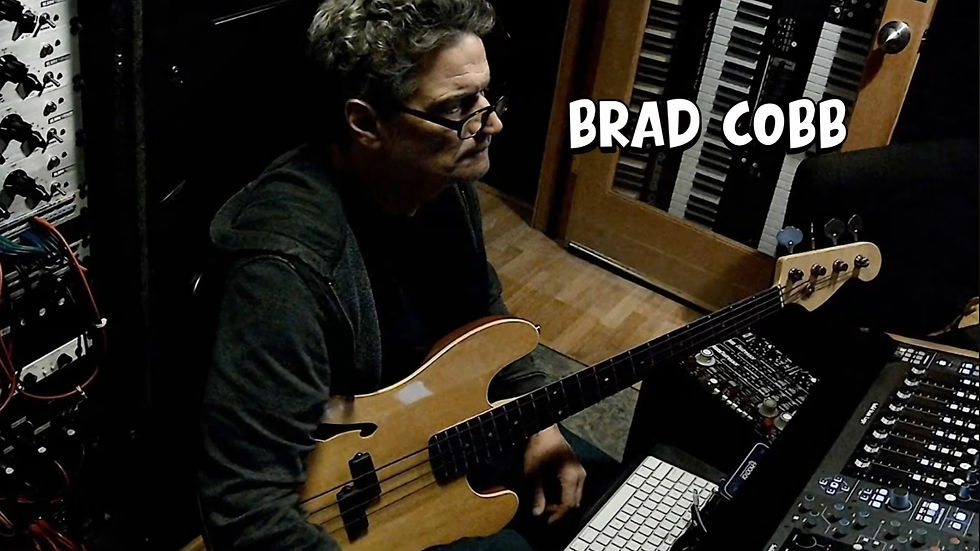
“From what I gather, I was not there, Matt apparently was not cutting it in the studio and was replaced by studio musician Brad Cobb,” Gaines wrote.
Gaines said he later returned after Stryper began rehearsing for the To Hell with the Devil tour, claiming that Hurich also had difficulties in the live environment. Gaines remembers walking into Leeds rehearsal studio in Burbank only days before a major Disney World performance, using Hurich’s gear and learning the new songs with only one or two rehearsals before the band flew out for the concert.
He also addressed In God We Trust, confirming that he did not play bass on the album. Gaines said the band wanted to preserve the sound established on To Hell with the Devil, although he remained a member of Stryper during that period and attended the sessions.
Gaines also pushed back on the idea that his playing style prevented him from adapting to the material.
“Yes, I have a jazz influence,” Gaines wrote, while pointing to melodic rock bassists from the 1960s and 1970s as major influences. He described himself primarily as a melodic rock player and said Stryper wanted something closer to the straight-ahead bass approach heard in bands such as Judas Priest, AC/DC and Van Halen.
According to Gaines, he could have adjusted.
“Could I change for the recording? Absolutely,” he wrote.
“I can pretty much play anything for the sake of making the record perfect, but I was never given the chance.”
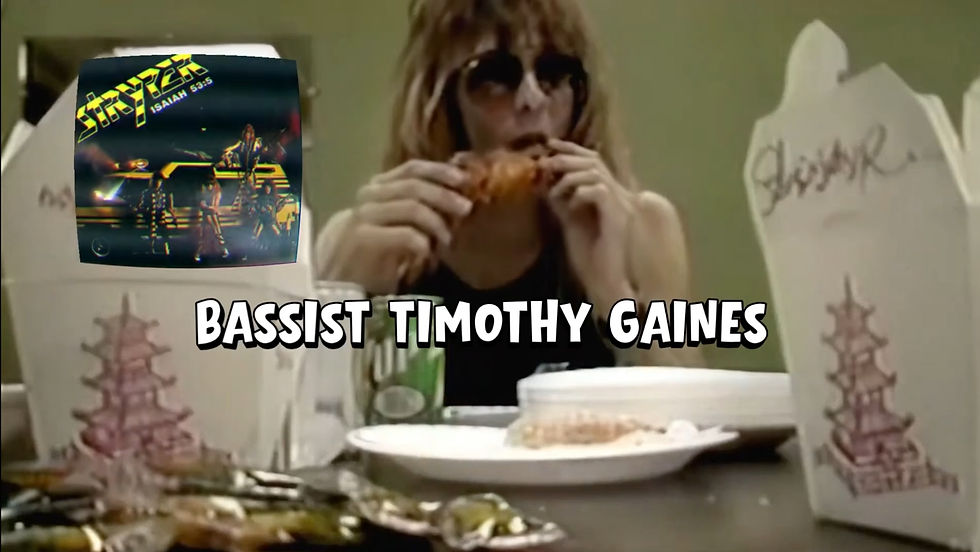
Gaines said the explanation he received when he was fired centered instead on the band wanting a bassist who played with a pick while he was primarily a fingerstyle player at the time.
The disagreement reaches beyond playing style and into chronology itself.
Sweet’s version describes a musician who entered the To Hell with the Devil recording process and was replaced after the band heard how the material was developing. Gaines’ version describes a musician who had already been removed from the lineup, replaced by another bassist, and later invited back after the album had already been recorded.
Gaines also connected the current interview to Sweet’s published biography, saying the same sequence of events appears there and arguing that Chapter 21 describes incidents that happened to Hurich rather than to him.
“Nothing in Ch 21 happened with me, and sounds more of an account of what took place with Matt Hurich, just changed the names,” Gaines wrote.
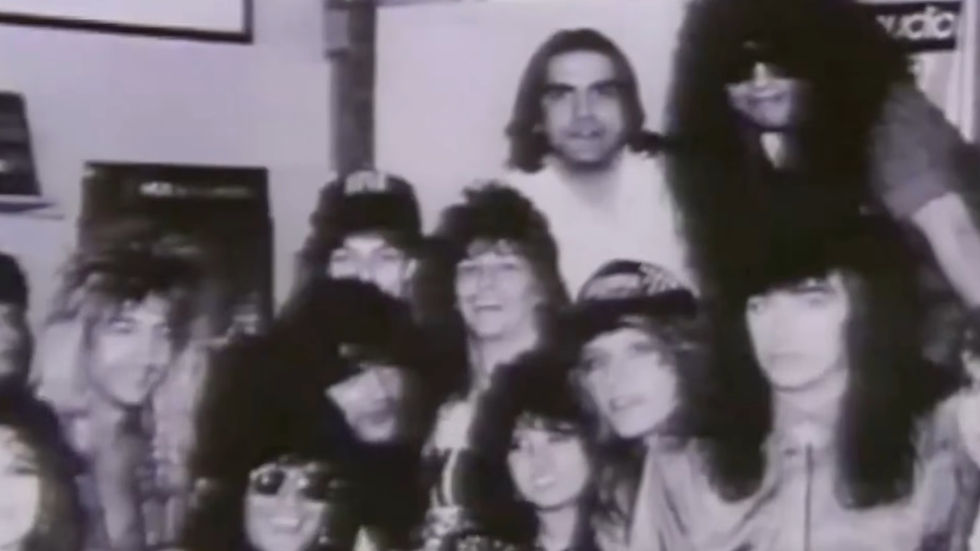
Memory gets strange after forty years.
Band histories often begin as conversations in rehearsal rooms, studios, vans and backstage hallways. Over time, those memories enter interviews, books, liner notes and fan lore. A story gets repeated enough times and eventually becomes the accepted version, sometimes while the people who lived through it still remember another sequence entirely.
That makes the current disagreement interesting beyond whatever tension still exists between two former bandmates.
Nobody disputes the larger musical history surrounding To Hell with the Devil. The record became Stryper’s commercial breakthrough and one of the defining albums of the Christian metal era. Brad Cobb’s bass performances became part of the sound captured on the album. Gaines later returned to Stryper and remained an important part of the band’s history for years afterward.
The unresolved question concerns how the band reached that point.
Was Gaines present when Stryper began recording the album, only to be replaced when his playing did not match the direction of the record?
Or had Stryper already fired Gaines and hired Hurich before the sessions began, with Cobb entering the picture only after Hurich failed to become the permanent studio solution?
Gaines clearly wants that distinction entered into the historical record.
“After 40 years none of this should matter, but it does apparently, because it keeps getting brought up,” he wrote.
“What really gets me is that none of these interviewers ask ME what happened,” Gaines wrote. “After all, if you want to talk about me, maybe you should ask me, the person who had to live through it all.”
Forty years later, To Hell with the Devil still sounds enormous. The story behind who stood in the room while it was being made remains considerably less settled.


